
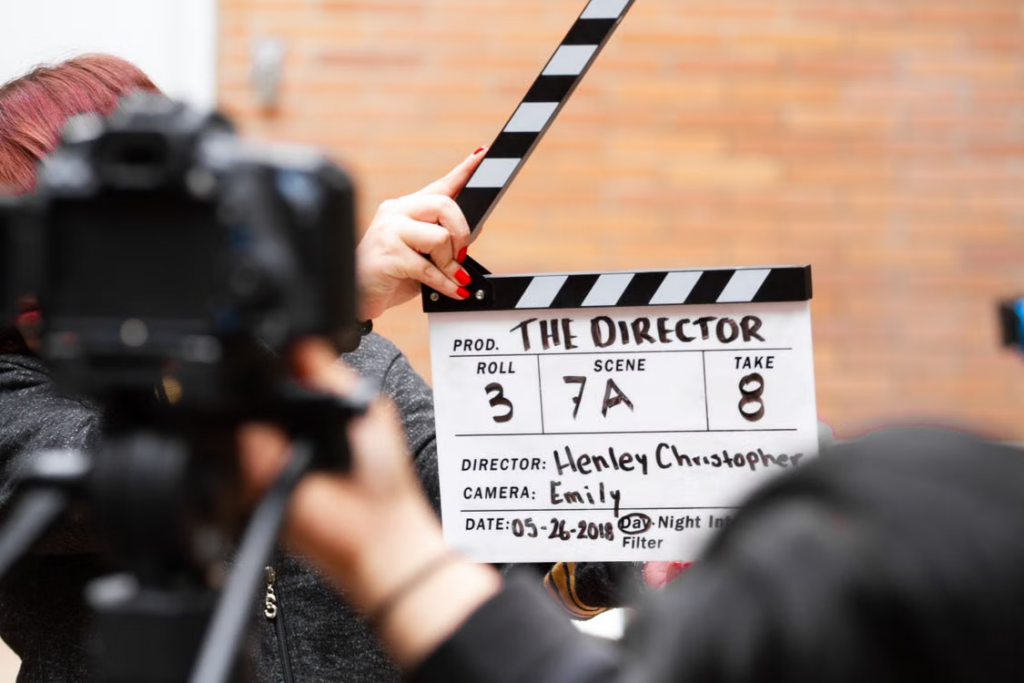
For decades when anyone said ‘indie film production’, a picture formed in our heads of exhausted individuals huddled in tight spaces, directors ducking local transit police for a shot of the sub-way, and producers praying that their one vital take wasn’t going to be interrupted by the weather.
Presently, micro-budget filmmakers are no longer constrained by a right budget in regards to how the story they tell will be visually represented. These storytellers are not stepping onto small virtual production stages and transforming a 15×15 foot space into a massive, neon-lit cyberpunk city or a desolate Martian outpost.
Indie Filmmakers Have Access To High-Quality Production Tools
The increased accessibility of real-time rendering software such as Unreal Engine, has pushed virtual production well into the reach of more limited budgets than what was previously possible. The days of needing multi-million-dollar, stadium sized LED screens are gone.
Cash-strapped indie crews use more affordable, modular LED screens or optimized green screen setups with affordable camera tracking equipment which simply connects the digital backgrounds to the camera. This creates a natural-looking, on-set parallax without having to invest in thousands of dollars worth of equipment. The benefits of this type of tech is saving indie cinema:
- Zero location scouting concerns: Crews don’t need to pay expensive city permit fees, find local transportation, or lose their shot as soon as natural daylight fades.
- Immediate performance feedback: Actors can stop acting to a tennis ball on a stick and see the exact monster, alien, or building they are acting in, in real-time on the LED screen as they move.
- Reduces travel costs: A small crew can be transported for a day shoot in the morning in Tokyo, Japan and be in the Sahara Desert for a sunset scene all within a few minutes.
The New Pre-Production Mindset
In order to use virtual production on the ‘indie’ scale, filmmakers need to approach pre-production differently than they may be accustomed to. Gone is the notion of fixing things in post; filmmakers must become more tech-savvy and collaborate with digital artists and content designers days before a physical prop is purchased.
Casting has changed to find talented performers with the ability to command a scene while working against complex, digital backgrounds. Whether you’re a seasoned actor wanting to build your sci-fi reel or a recent graduate of a Demo Reel Studio in NYC looking for character roles to showcase those skills, learning to adapt to these environments are key. Filmmakers will also discover that coloring physical actors against digital backdrops requires a different kind of cinematic knowledge, including an understanding of interactive lighting design.
Where Imagination Outweighs the Budget
At the end of the day, technology cannot fix a flawed script, but Virtual Production is undeniably a great equalizer for the indie community. It dismantles the systemic advantages Hollywood studios have held for decades and focuses entirely on how creative individuals can imagine and tell a story without having to worry about practical and financial limits. Going forward, indie films won’t be defined by their limitations but by their boundless possibilities.