
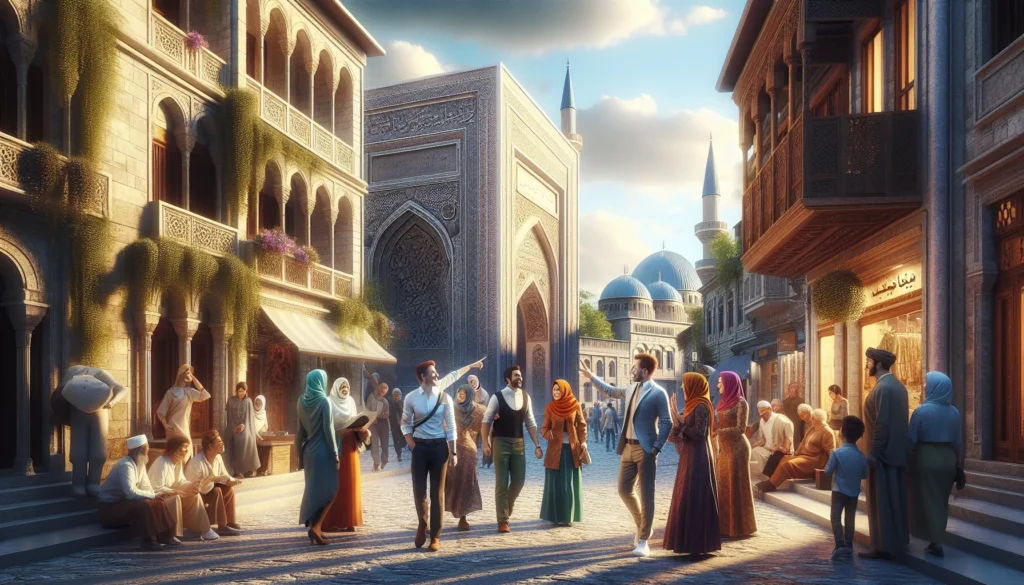
Have you ever wondered what makes certain cultural practices resonate beyond borders? We sure have. Philmi Jila, a vibrant amalgamation of traditions, artistry, and evolving interpretations, stands out in the crowd. It’s not just another cultural phenomenon: it’s a celebration that binds communities in ways we might not fully appreciate yet. So, grab a cup of your favorite beverage as we unravel the fascinating layers of Philmi Jila and discover why it deserves a spotlight in our modern world.
Philmi Jila
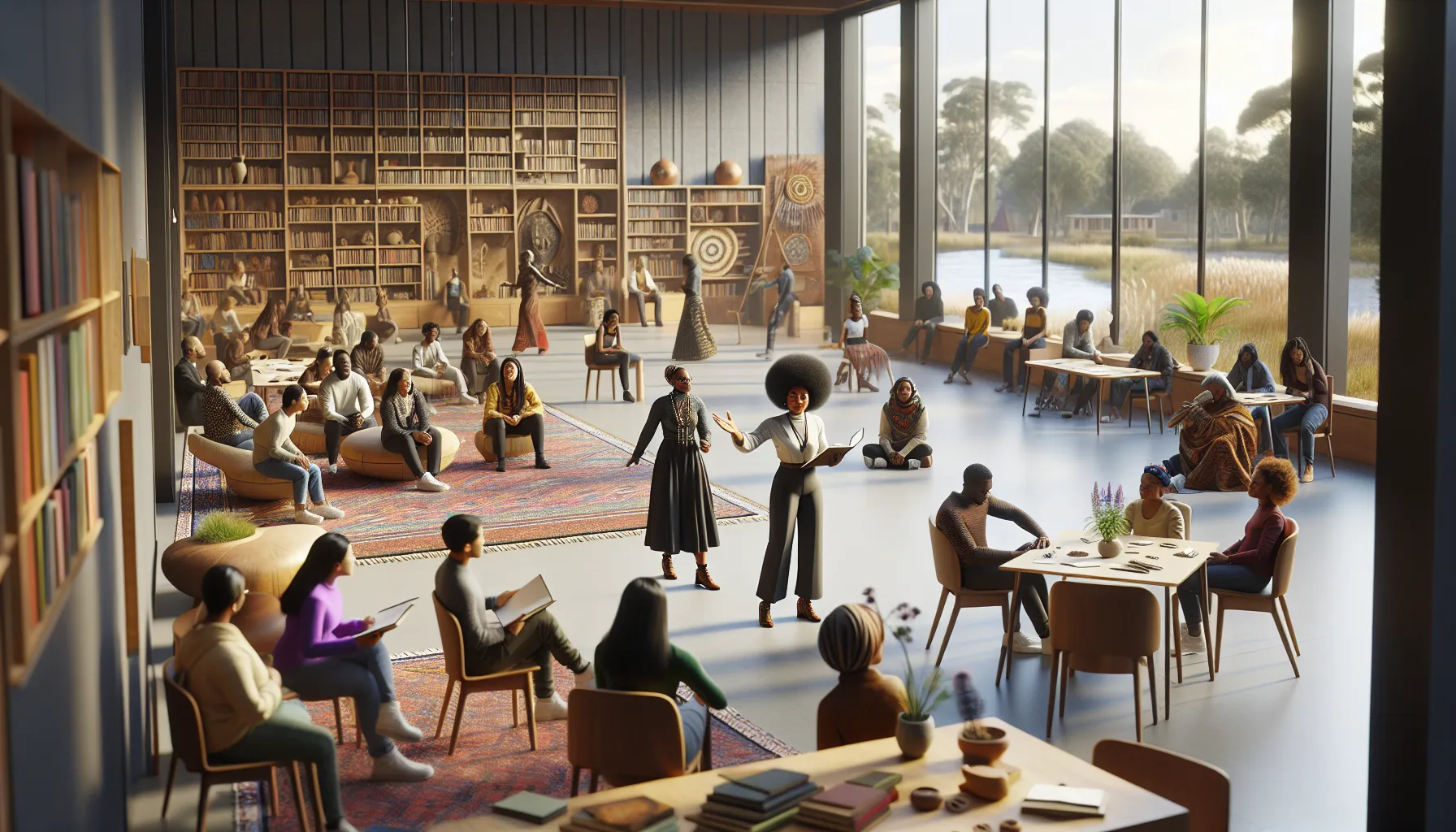
Let’s kick this off by diving into the roots of Philmi Jila. We often think of cultural practices as ancient and unchanging, yet Philmi Jila tells a story of transformation through the ages. Emerging from a blend of historical circumstances, this cultural expression reflects the intricate dance of various influences, tribal traditions, historical events, and even the impact of colonization.
In its earliest forms, Philmi Jila was likely a means of communication. Elders would pass down stories through generations, weaving narratives that defined community identity. Over time, those narratives morphed into a broader artistic language, incorporating music, dance, and visual arts that elevated Philmi Jila to a revered status within our culture.
Cultural Traditions and Practices
Moving on, we can’t ignore the rich tapestry of traditions and practices that comprise Philmi Jila. These are the lifeblood of any cultural identity. From the vibrant festivals that showcase folklore to the often overlooked rituals that mark significant life transitions, every aspect is a learning experience.
Consider, for instance, the communal gatherings. They often involve storytelling, music, and even culinary delights that bring people together, not just to celebrate but to educate. Families and friends join hands, embracing customs that might seem peculiar to outsiders but hold deep significance for us. Through these traditions, we connect with our ancestors while nurturing future generations.
Art and Expression in Philmi Jila
Ah, art, the heartbeat of any culture. In Philmi Jila, we see creativity not merely as a pastime but as an essential form of expression. Our artists, whether they are painters, musicians, or performers, use their craft to convey messages that often resonate on personal and collective levels.
What makes this particularly fascinating is the diversity of mediums. Think about it: we’ve got everything from intricate pottery, capturing the spirit of the soil, to energetic dance forms that tell stories of both struggle and triumph. The blending of traditional techniques with modern artistry elevates Philmi Jila, making it both timeless and current.
Modern Interpretations and Adaptations
Now, let’s traverse into the contemporary realm of Philmi Jila. Never stagnant, it thrives through modern interpretations and adaptations that breathe new life into our traditions. Musicians incorporate contemporary styles, artists experiment with digital platforms, and we see the internet playing a massive role in sharing our cultural heritage globally.
Social media serves as a double-edged sword: while it helps preserve and promote Philmi Jila, it also presents challenges and misrepresentations. We need to find a balance between maintaining authenticity and welcoming innovation.
Challenges Facing Philmi Jila Today
Even though its vibrant spirit, we can’t overlook the challenges Philmi Jila faces today. Globalization, while enriching, often dilutes our cultural uniqueness. Many of us have experienced a disconnection from age-old practices as modern conveniences eclipse traditional ways of life.
Also, there’s a struggle in balancing commercial interests with cultural integrity. We see Philmi Jila featured in various forms of media, sometimes stripped of its authentic context. As guardians of this cultural legacy, it’s vital for us to advocate for respectful representations that honor our heritage.
The Future of Philmi Jila
Looking ahead, the future of Philmi Jila is a tapestry still being woven. Let’s not shy away from innovation but embrace it with open arms. By encouraging the younger generation to explore and engage with our cultural heritage, we can ensure its relevance and vitality. Educational initiatives, community projects, and global collaborations can provide rich opportunities for learning and creativity.
As we adapt to changing times, our approach should remain grounded in the principles that originally defined Philmi Jila, community, creativity, and cultural integrity. The future isn’t merely a continuation: it’s a new chapter that we are fortunate to write together.