
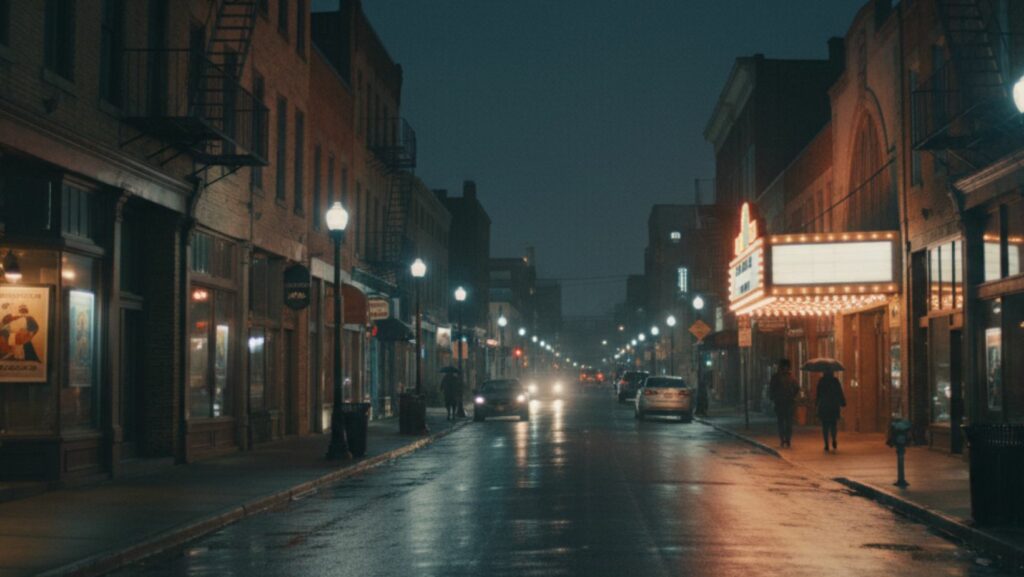
Film tourism has become a significant driver of urban transformation outside the largest metropolitan centers. When films and series highlight specific streets, venues, or neighborhoods, they shape how visitors perceive and navigate secondary US cities. These locations gain recognition not as abstract destinations, but as concrete places tied to familiar screen imagery. As a result, travelers often focus their attention on clearly defined areas where filming took place and plan their evenings around the services concentrated there, ranging from restaurants and bars to specialized offerings such as san diego escorts. This shift shows that screen exposure influences not only where visitors go during the day, but also how entertainment districts develop and function after hours. In secondary cities, this process strengthens localized entertainment zones rather than dispersing activity across the entire urban area.
From screen locations to nightlife corridors
Once a filming location gains recognition, it often becomes the starting point for a broader entertainment experience. Visitors arrive during the day to see recognizable streets or landmarks, then stay into the evening as nearby venues capture that foot traffic. This transition is especially visible in districts designed for walkability, where restaurants, bars, theaters, and live music venues sit within a short radius.
Common entertainment outcomes influenced by film tourism include:
- Restaurants themed around local stories or screen aesthetics
- Bars and lounges positioned near recognizable filming spots
- Small theaters and live venues extending programming into evenings
Film exposure also changes the timing of activity. Areas that were once quiet after business hours may develop steady nighttime economies as visitors linger, transforming sightseeing routes into nightlife corridors.
Storytelling and place recognition
Narrative familiarity plays a central role in shaping movement. Viewers arrive with expectations formed by scenes and characters, which gives certain streets or buildings symbolic value. This recognition reduces uncertainty and encourages exploration, particularly in cities that may not have global brand recognition. As a result, entertainment districts gain cohesion around shared stories rather than purely commercial planning.
Eventization and themed programming
Cities often amplify film tourism through events. Screenings, festivals, guided tours, and pop-up experiences activate districts after dark and provide structured reasons to stay out later. These programs help convert short visits into longer stays and create repeatable formats that sustain interest beyond a single release cycle.
Economic and cultural impacts on local districts
Film tourism can deliver clear economic benefits to entertainment districts in secondary cities. Increased foot traffic supports venues that depend on evening crowds, while the association with popular media enhances visibility. At the same time, rapid popularity can introduce challenges that require careful management.
Key impacts include:
- Higher revenue for bars, restaurants, and live venues
- Job creation in hospitality and creative services
- Stronger place identity tied to cultural production
However, success can bring pressure. Rising rents, crowding, and seasonal spikes may strain local communities if growth is not balanced.
Small business adaptation and clustering
Local businesses often adapt quickly to film-driven demand. Menus, décor, and programming may reference screen narratives subtly, while clusters of complementary venues form to capture shared audiences.

In secondary cities, this clustering can be especially effective because districts are compact and accessible. The challenge lies in maintaining authenticity while responding to visitor expectations shaped by media exposure.
Governance, planning, and sustainability considerations
Municipal planning plays a decisive role in determining whether film tourism strengthens entertainment districts over the long term. Secondary cities often have more flexibility than major hubs, but fewer resources, making strategic choices essential. Zoning, transport planning, and community engagement influence how evenly benefits are distributed.
Balancing authenticity with visitor demand
Sustainable growth depends on aligning visitor interest with local needs. Cities that succeed tend to prioritize long-term cultural value over short-term volume.
Effective approaches include:
- Clear zoning and crowd management to protect residential areas
- Partnerships with local creators and businesses
- Programming that continues after initial film popularity fades
These strategies help ensure that entertainment districts remain vibrant without becoming overly dependent on a single media moment.
Conclusion: film tourism as a catalyst for district evolution
Film tourism reshapes entertainment districts in secondary US cities by extending activity into evenings and redefining how visitors move through urban space. Screen exposure provides recognition, but it is local planning, business adaptation, and cultural stewardship that determine lasting impact. When managed thoughtfully, film tourism can transform compact districts into sustainable centers of nightlife and culture, offering cities a way to grow their entertainment economies while preserving local character.