
The reviewer calls Jila a heartwarming narrative nebula desert reviewer controllers filmjila that blends quiet emotion with science fiction. The film follows a small cast across dunes and stars. The plot ties human loss to machine duty. The tone stays gentle. The story asks what people keep and why they keep it.
Key Takeaways
- Jila offers a heartwarming narrative that blends intimate human emotions with subtle science fiction elements set against a desert and nebula backdrop.
- The filmjila theme emphasizes memory and care through simple daily acts, creating a sincere and lived-in atmosphere appreciated by viewers.
- Visual storytelling balances close human moments with poetic nebula imagery, enhancing the film’s gentle mood and worldbuilding.
- Controllers in the plot serve as emotional anchors, symbolizing choices about memory and duty that define the characters.
- Jila’s slow pacing and understated strengths appeal most to fans of thoughtful, character-driven science fiction rather than fast-paced action.
- Reviewers recommend Jila for audiences seeking a warm, reflective film experience that values small gestures over spectacle.
What The Film Is About — Premise Without Spoilers
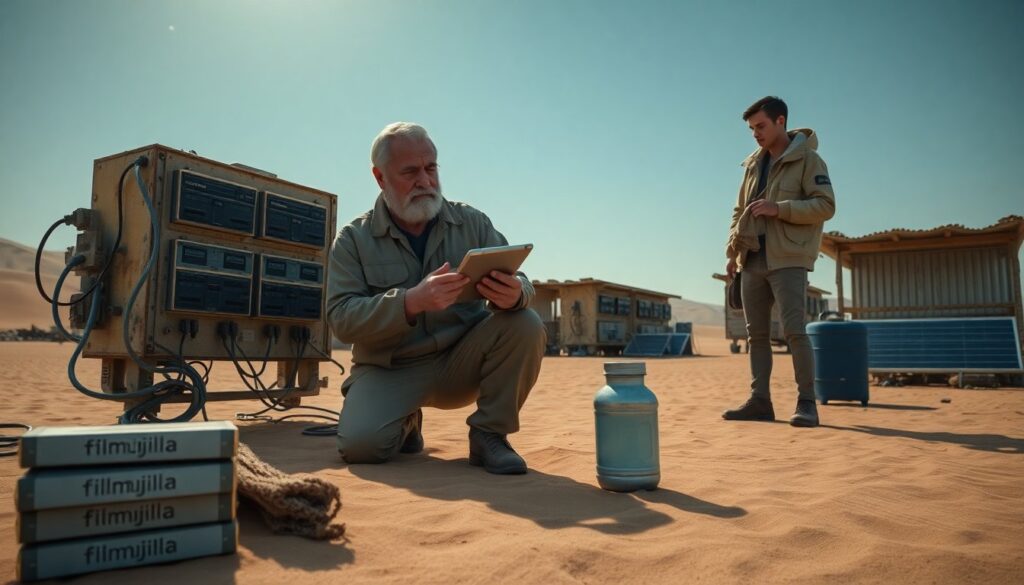
Jila centers on a former engineer who returns to a desert outpost. The outpost sits near a faint nebula that affects communication. The engineer rebuilds aging controllers that manage water and memory banks. The filmjila angle stays intimate. The narrative mixes small daily tasks with hints of larger cosmic events. The movie shows repair scenes, quiet meals, and letters read aloud. The director reveals stakes slowly. The premise stays clear and human.
Why The Narrative Feels Heartwarming
The film uses simple gestures to build care. The camera holds on hands, shared tools, and soft looks. The score supports gentle beats. The story gives characters time to explain pain and hope. This pacing lets viewers feel warmth grow. The filmjila phrase appears as a quiet motif that recalls past comforts. The writing keeps sentences short and focused. The result feels lived-in and sincere.
Visuals: Nebula Imagery And Desert Worldbuilding
The cinematography pairs close, human frames with distant nebula shots. The nebula appears as a soft, shifting light. The desert scenes show wind patterns and eroded structures. Production design uses reused tech and found objects. The controllers look worn but serviceable. The color palette favors sand tones and cool nebula blues. The effects keep the nebula subtle. The filmjila visuals feel poetic rather than loud. The worldbuilding feels practical and lived-in.
Performances, Direction, And The Role Of “Controllers” In The Plot
The lead actor delivers restrained work that carries long silences well. The apprentice actor brings curiosity and simple humor. The director stages scenes with calm precision. The controllers function as plot devices and emotional anchors. The devices hold memory files and water schedules. When a controller fails, characters must choose which data to restore. That choice reveals character. The filmjila phrase appears on a controller module and affects the lead’s decision. The acting and direction let the devices feel human.
A Reviewer’s Take: Strengths, Weaknesses, And Who Will Love Jila
The film’s strength lies in quiet emotion and careful pacing. Viewers who favor character work will respond well. The visuals and sound design add steady mood. Weaknesses include a slow middle and a plot beat that some may call obvious. Fans of gentle science fiction will find Jila rewarding. The filmjila label will stick with viewers who value small acts over big spectacle. The reviewer recommends the film to those who want a warm, thoughtful experience.