
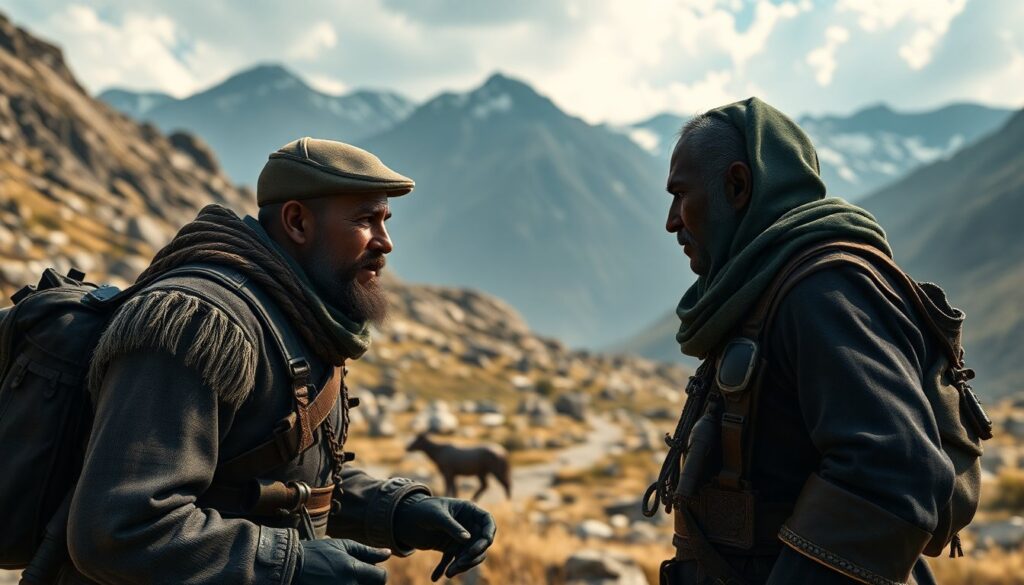
The reviewer opens an account of corporate fiximmjila rivalry mountain trader reviewer gameplay and story. The reviewer notes how corporate fiximmjila rivalry mountain trader reviewer frames power, trade, and betrayal. The reviewer lists goals, factions, and core systems for readers who want a clear preview.
Key Takeaways
- Corporate Fiximmjila Rivalry Mountain Trader offers a unique blend of trade, strategy, and corporate conflict within a dynamic mountain route economy.
- Players engage with clear systems like supply chains, caravan defense, and reputation that react directly to their choices and influence market conditions.
- The rivalry between two factions drives the narrative, requiring players to balance short-term gains with long-term strategic planning and ethical decisions.
- Core mechanics such as contract rewards, influence meters, and market manipulation illustrate the tension and consequences of faction allegiance.
- The game provides accessible tutorials and transparent feedback, enabling both new and experienced players to master its economic loops and strategic depth.
- Players can enhance success by diversifying contracts early, investing in scouts, using influence wisely, and monitoring market trends to maximize profits and faction benefits.
What Fiximmjila And Mountain Trader Bring To The Table
Fiximmjila and Mountain Trader deliver a linked story about commerce and control. The game places two corporate interests on a contested mountain route. The narrative shows how a mining conglomerate expands and how a trading collective resists. The design gives players clear economic tools. The player can buy routes, hire escorts, and fund propaganda. The core systems include supply chains, caravan defense, and reputation. The economy reacts to player choices. A closed market shifts prices when supply drops. The game uses simple rules to create tense moments. The setting mixes alpine weather and corporate tech. The aesthetics pair raw stone with glossy terminals. The sound design supports both quiet negotiation and sudden conflict.
The reviewer found that Fiximmjila adds character-driven missions. Mountain Trader adds contract-driven trade runs. The missions force trade-offs between profit and ethics. The player must choose routes that favor speed or safety. The choice affects reputation with either the conglomerate or the collective. The game tracks loyalty with a visible meter. The player sees immediate cause and effect. The reviewer points out that this transparency aids learning. The tutorial explains convoy setup, contract terms, and bribe options. The game keeps complexity low while offering layered outcomes. New players can learn core loops in a few hours. Experienced players can optimize routes and exploit market swings.
How Corporate Rivalry Drives Story, Strategy, And Player Choice
The corporate rivalry steers story beats and strategic choices. The conflict gives the player clear goals and pressure. The two factions contest resources, labor, and legal influence. The player moves between them to gain benefits and consequences. The rivalry creates timed events. The player must act before one faction seals a deal. The game forces trade-offs between immediate gain and long-term access. The rivalry amplifies small decisions. A single skipped escort can cost future permits. The player sees ripple effects in faction behavior and market prices. The scenario design links micro actions to macro consequences.
Key Mechanics And Narrative Moments That Illustrate The Rivalry
The game shows rivalry through three core mechanics. First, the contract system assigns rewards and penalties. The player accepts offers that favor one faction. The game then adjusts access to resources. Second, the influence meter records public and private favors. The player spends favors to bypass penalties or to gain exclusive contracts. Third, the market engine models scarcity and speculation. The player manipulates supply to push prices up or down.
The reviewer highlights several narrative moments. In one mission, the player must choose which convoy to protect. The choice leads to an immediate market crash or a sudden price spike. In another mission, leaked documents change law enforcement behavior. The player then decides to expose the leak for fame or to hide it for profit. The rivalry also appears in NPC dialogue. Executives compete in public panels. Union leaders rally caravans. The game uses short scenes to show corporate pressure on local communities.
The reviewer notes that these mechanics reward planning. The player who plans routes and influence gains steady growth. The player who chases short-term profit risks losing long-term deals. The rivalry keeps tension tight without overloading the player with options.
Reviewer Assessment: Strengths, Weaknesses, And Practical Tips
The reviewer lists clear strengths first. The game delivers focused systems and readable feedback. The player can see cause and effect after each mission. The story uses rivalry to create urgency. The missions provide varied objectives and moral friction. The economy feels lively and reactive. The aesthetics and audio support immersion.
The reviewer then lists key weaknesses. The AI convoy behavior can feel repetitive. The side characters sometimes lack depth. The late game can stall when faction power polarizes too strongly. The reviewer notes several small bugs in pathfinding and UI clarity. The reviewer suggests that the developer should add more mid-game events to break monotony.
The reviewer offers practical tips for players. First, the player should diversify contracts early. The player should accept some low-risk runs to build capital. Second, the player should invest in scouts before heavy cargo. Scouts reduce ambush chances and reveal alternate routes. Third, the player should use influence sparingly. Saving influence for permit openings yields better returns. Fourth, the player should monitor market trends and withhold supply to raise prices when safe.
The reviewer gives stance on replay value. The player can follow different allegiance paths to see alternate endings. The player can focus on profit, on social outcomes, or on political control. The reviewer finds that these paths keep replayability high.
The reviewer ends with a balanced summary of fit. Players who like trade systems and political choice will enjoy corporate fiximmjila rivalry mountain trader reviewer. Players who need deep character drama may find the title less satisfying. The game rewards steady planning and clear decision making.