
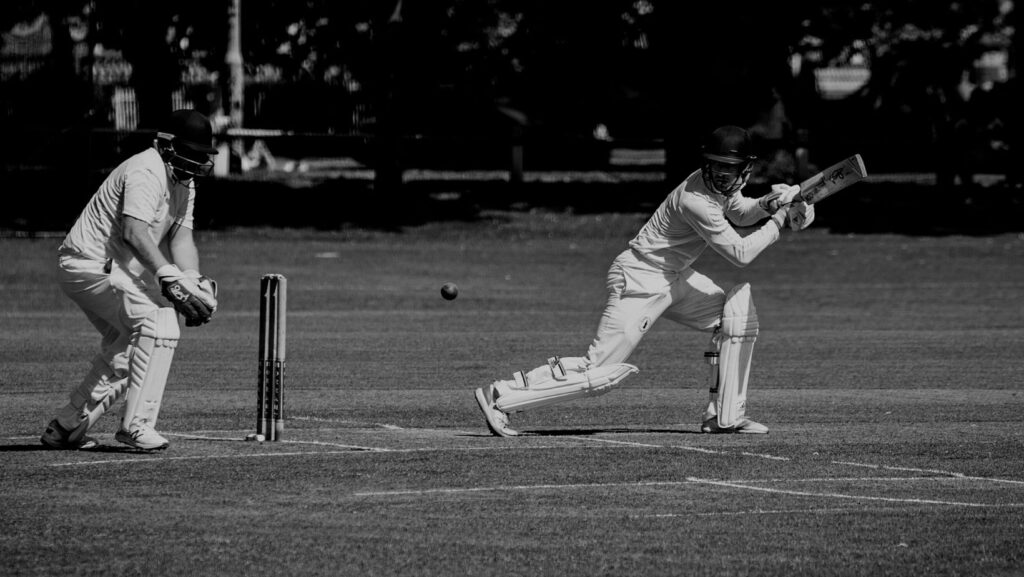
For years, India looked like the ultimate one-sport country. Cricket filled TV schedules, dominated sponsorships, shaped childhood dreams, and turned leagues into mass festivals. But the picture is changing. Cricket still sits at the centre, yet kabaddi, football, athletics, shooting, and women’s sport are pulling more attention than before. That makes Cricket vs New Sports: Is India Moving Beyond a One-Sport Nation? a real question, not just a catchy debate.
Cricket vs New Sports: Is India Moving Beyond a One-Sport Nation? Quick Answer
India is still a cricket-first country, but not a cricket-only one. Cricket remains the biggest sport by fan base, money, and visibility, while newer leagues, Olympic success stories, and the rise of women’s sport are steadily widening the country’s sporting culture.
Cricket still sets the pace
Cricket remains India’s anchor sport for simple reasons: scale, habit, and money. Its fan base is enormous, its emotional pull runs across generations, and its commercial engine is still unmatched. That combination gives cricket a reach other sports are only beginning to build.
The game also evolved at the right time. Test cricket kept its prestige, ODIs stayed relevant, and T20 changed the pace completely. For beginners, this matters because cricket now offers different ways to watch the same sport: long, tactical contests in Tests, balanced one-day matches in ODIs, and short, high-energy entertainment in T20Is. That variety helps cricket stay both traditional and modern.
And that balance is not a small thing.
It keeps old fans interested while making room for new ones.
Why T20 and the IPL changed the conversation
The biggest accelerator was the T20 era, followed by the IPL. Today, the IPL is not just one of the world’s most popular leagues; it is also the richest. In practical terms, that changed how many Indian families think about sport as a career.
There was a time when parents worried that serious cricket would distract children from studies and still lead to financial struggle. That fear has weakened. State players, youth prospects, and domestic professionals now see a clearer path than earlier generations did. In everyday fan culture, this is visible in fantasy games, short video clips, and even search behaviour during the season, where terms like 1xbet app download appear alongside team news and player updates in the wider sports entertainment space.
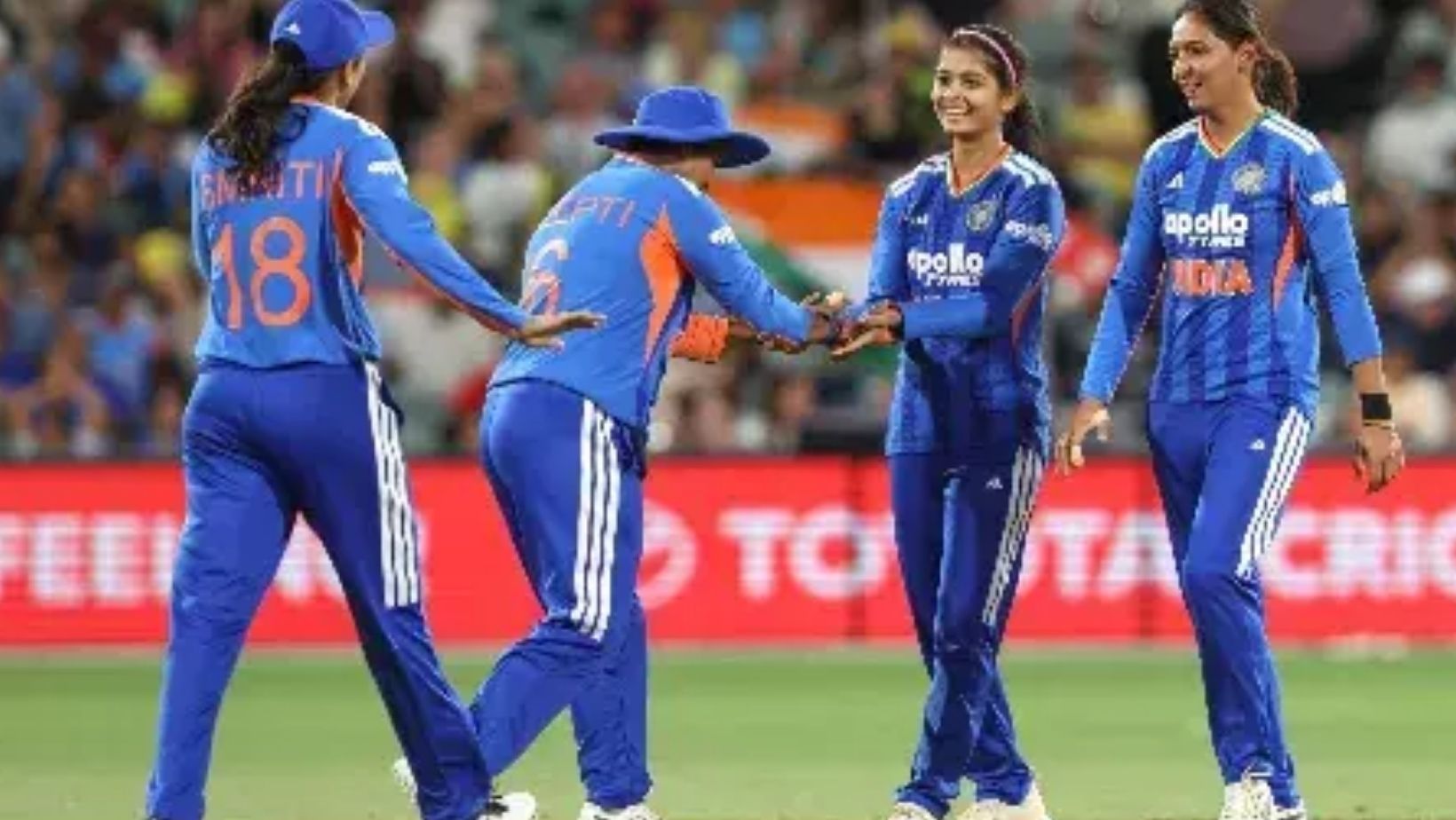
The league model also creates opportunity at scale. Ten teams and 84 matches mean more chances for young players to be noticed, tested, and discussed. A 14-year-old like Vaibhav Suryavanshi becoming a headline name and already a millionaire shows how quickly cricket can turn promise into visibility. His rise after India’s recent U-19 success reflects a system that rewards talent faster than most other Indian sports currently can.
India is central to cricket, but cricket is getting bigger than India
This is one of the most interesting twists in the story. India remains the anchor market of world cricket, but the sport itself is no longer limited to one country’s influence.
The ICC Men’s T20 World Cup 2026 featured 20 teams, and that tournament showed two things at once. India won the title and remained the biggest force in the ecosystem, but the wider field looked stronger too. Nepal, Italy, and the USA drew attention with fearless cricket. Zimbabwe knocked out Australia. Nepal gave England a serious scare. Sri Lanka and Zimbabwe reached the Super 8s. These were not just feel-good moments; they suggested a sport that is spreading beyond its old centres.
For Indian fans, that matters. A broader global game creates new rivalries, new stories, and more reasons to stay interested. So even if India remains deeply cricket-focused, cricket itself is becoming more international and more competitive.
New sports are not replacing cricket
They are growing next to it.
That is the key difference.
India is not moving from cricket to something else. It is moving from cricket-only attention to a wider sports culture. Professional leagues in kabaddi and football emerged after cricket’s league boom. They have not matched cricket’s scale, but they have changed viewing habits and expanded what counts as mainstream sport for many casual fans.
This shift is especially important for beginners. A younger audience often discovers sport through short-format, TV-friendly leagues rather than through old federation structures or newspaper scorecards. Cricket showed how to package sport in a way that feels regular, accessible, and easy to follow. Other sports have clearly learned from that model.
Olympic success changed the mood
Another reason the conversation has widened is individual achievement. Neeraj Chopra’s Olympic gold in javelin did more than create one superstar. It pushed athletics into everyday conversation and made sponsors look more seriously at non-cricket talent.
That matters because public attention in India often follows visible success. Once an athlete breaks through at the highest level, the sport itself becomes easier to market. Shooting has also retained prestige through names like Abhinav Bindra, and that helps build the idea that India can produce champions outside cricket too. With more focus on infrastructure, training, and academies, newer sports have a better chance of keeping that attention for longer.
What cricket taught the rest of Indian sport
Cricket’s biggest lesson is not only about popularity. It is about structure, continuity, and visibility.
- A clear path from junior level to elite competition
- Domestic visibility before international selection
- A league model that creates stars and regular content
- Financial stability that makes sport a serious career option
- Marketing that turns players into familiar public figures
Other sports in India are trying to borrow parts of that formula. Better planning, smarter scheduling, stronger academies, and more television-friendly presentation can make a huge difference. Cricket did not become a giant by accident. It built systems, monetised attention, and kept feeding fans with rivalries, narratives, and new faces year after year.
The women’s game is one of the clearest signs of change
If one area shows where Indian sport may be heading, it is women’s sport. India’s victory at the ICC Women’s Cricket World Cup 2025, won on home soil in the 50-over format, carried huge value.
That win did two things at once. It strengthened women’s cricket inside India and increased its pull outside India as well. When a market as large and influential as India embraces women’s cricket with real passion, the effect travels far beyond one tournament. For beginners, this changes what feels normal. Women’s sport starts to look central, not secondary.
And the impact does not stop with cricket. Every visible success in women’s sport makes it easier for other disciplines to gain airtime, sponsorship, and grassroots interest.
Where India still looks like a one-sport nation
It would be wrong to pretend the gap has disappeared. Cricket still towers over the rest.
It has deeper media coverage, stronger financial backing, more stable institutions, and a much larger emotional footprint. A major cricket event can dominate conversation for weeks. A strong performance in another sport often creates a spike, but not always a lasting wave. That is the difference between a sporting moment and a sporting ecosystem.
Cricket also benefits from internal variety. Fans can move from Tests to ODIs to T20Is without leaving the sport. Few other Indian sports offer that kind of layered engagement. So even when viewers become more open to kabaddi, football, athletics, or shooting, cricket still keeps them inside its own universe for most of the year.
A simple way to read the shift
India’s sports landscape now looks less like a monopoly and more like a pyramid. Cricket is still at the top, but the base is getting wider.
- Cricket remains number one by a wide margin.
- The IPL model showed how leagues can create stars and regular fan interest.
- The 2026 T20 World Cup, with 20 teams, showed cricket is becoming more global.
- Nepal, Italy, and the USA proved that newer cricket nations can grab attention.
- Zimbabwe’s win over Australia and the Super 8 runs of Sri Lanka and Zimbabwe added to that sense of change.
- India’s 2025 Women’s Cricket World Cup win gave women’s sport a major boost.
- Olympic success has made non-cricket athletes more visible and more marketable.
So, is India moving beyond one-sport thinking?
Yes, but slowly and unevenly. Cricket remains the default language of Indian sport, yet it no longer owns the entire conversation.
The strongest evidence is not that cricket is weakening. It is that other sports are finally finding room to grow beside it. Kabaddi and football have league visibility. Athletics gained a new benchmark through Neeraj Chopra. Shooting still carries prestige. Women’s cricket has become central rather than peripheral. And Indian audiences seem more curious than they were even 10 years ago.
So the honest answer is simple. India is not post-cricket, and it is nowhere close to that. But it is gradually becoming more than a one-sport nation. Cricket built the model, and the rest of Indian sport is finally starting to learn from it.
FAQ
Q: Is cricket still the most popular sport in India?
A: Yes. Cricket remains far ahead in fan base, money, media attention, and league strength.
Q: Are new sports actually challenging cricket in India?
A: Not at the same scale. They are growing in visibility and sponsorship, but mostly alongside cricket rather than in place of it.
Q: Why is the IPL so important in this debate?
A: The IPL showed how a league can create stars, money, and regular interest. Other Indian sports have tried to adapt parts of that model.
Q: Has women’s cricket changed the wider sports landscape?
A: Yes. India’s 2025 Women’s Cricket World Cup win gave women’s cricket major momentum and helped normalise stronger support for women’s sport overall.
Q: What is the clearest sign that India is becoming more than a one-sport nation?
A: More fans now follow kabaddi, football, athletics, shooting, and other disciplines, while non-cricket athletes are attracting stronger public attention and sponsorship.