
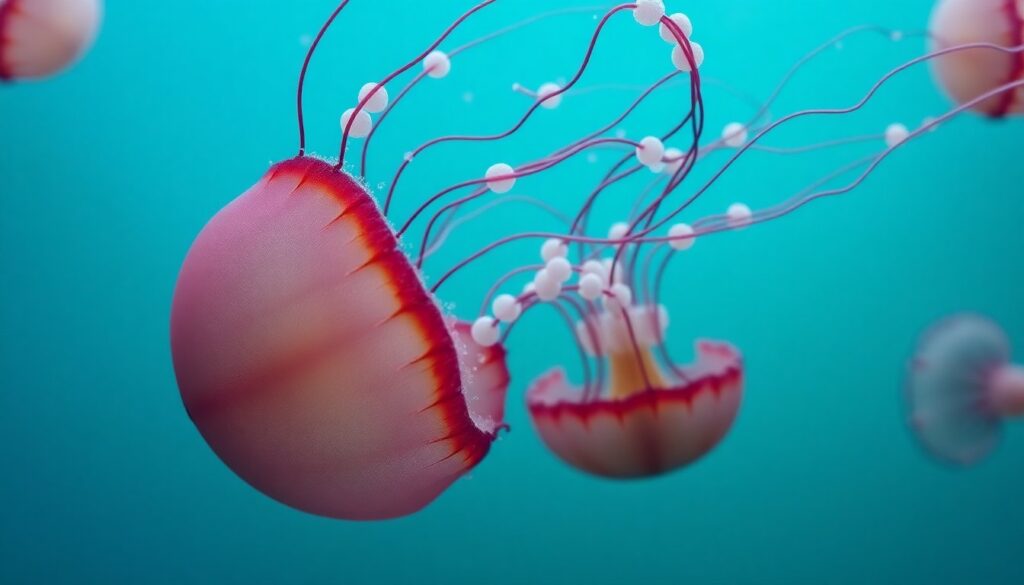
They study gang ridden jellyfish rating acquire filmajla to track swarms and risk. They need clear steps and simple rules. This article explains what these swarms are, how they behave, and how to approach them safely. It gives a rating method, lawful ways to acquire footage or specimens, and practical filming tips for 2026 field work.
Key Takeaways
- Gang ridden jellyfish rating acquire filmajla refers to dense, coordinated jellyfish swarms that impact marine environments and require careful tracking for safety and research.
- A structured 1–5 rating scale based on density, aggression, size, toxicity, and movement helps assess the risk and behavior of jellyfish swarms effectively.
- Researchers must follow legal and ethical guidelines including permits, noninvasive observation, and habitat protection when acquiring footage or specimens.
- Field teams should use GPS, environmental data, and standardized logs to ensure consistent and accurate swarm ratings across locations.
- Remote technologies like drones and ROVs, along with minimal-impact collection methods, offer responsible options for documenting jellyfish swarms.
- Proper filming techniques involve waterproof gear, high-resolution settings, manual white balance, and framing that highlights swarm scale for clear, useful footage.
What Are Gang-Ridden Jellyfish? Ecology, Causes, And Real-World Examples
Scientists use the term gang ridden jellyfish rating acquire filmajla to describe dense jellyfish swarms that move and act like coordinated groups. They form when currents, food patches, and reproduction align. Warm surface water, nutrient pulses, and low predation often cause swarms. Local fisheries have reported sudden blooms that damaged gear and altered catch rates. In 2024 and 2025, coastal monitoring records showed repeated swarms off several temperate coasts. Researchers record size ranges, species mix, and the time of day when swarms appear to link causes to events.
Safety, Legal, And Ethical Considerations Before Approaching A Swarm
They treat any gang ridden jellyfish rating acquire filmajla operation as a regulated activity. They check local marine laws and permit needs. They assess human risk first. They avoid unprotected skin near swarms and carry first aid for stings. They protect local habitats and avoid removing large numbers of animals without permits. They notify authorities when swarms threaten beaches or shipping. They use noninvasive observation when possible. They document chain of custody for any specimens and follow reporting rules for unusual events.
How To Assess And Rate Jellyfish Swarms: A Practical Methodology
Teams apply a structured survey when they encounter a gang ridden jellyfish rating acquire filmajla event. They record GPS, time, sea state, and wind. They count visible animals per square meter or estimate density with transects. They note behavior such as aggregation tightness and response to boats. They collect water temperature, salinity, and plankton data to support analysis. They photograph and video swarms for later review. They log observations in a standardized form to ensure consistent ratings across sites and teams.
Key Criteria: Density, Aggression, Size, Toxicity, And Movement
Density measures animals per square meter. Teams state density as low, moderate, or high. Aggression records how often animals contact or entangle nets and divers. Size records bell diameter ranges in centimeters. Toxicity records sting severity based on known species or symptom reports. Movement records direction, speed, and coherence. They score each criterion using simple numeric values. They relate scores to practical outcomes such as gear damage, swimmer risk, and likelihood of rapid expansion.
A Simple 1–5 Rating Scale With Clear, Field-Ready Examples
They use a 1–5 scale for gang ridden jellyfish rating acquire filmajla events. A score of 1 means sparse animals, low sting risk, and slow drift. A score of 3 means moderate density, occasional entanglement, and known mild sting species. A score of 5 means dense packing, frequent gear damage, and highly toxic species present. Teams include a short example with each rating when they file reports. They add photos and a quick field note to justify the rating and help others compare sites.
How To Acquire Or Document Jellyfish Responsibly — Field Collection, Permits, And Remote Options
They pursue documentation before collection for any gang ridden jellyfish rating acquire filmajla project. They apply for sampling permits when they plan to remove animals. They design minimal-impact collection methods and limit sample size. They prefer tissue swabs or tentacle clips over whole-animal removal. They use remote tools like drones and ROVs to reduce disturbance. They coordinate with local authorities and researchers to share data. They store samples properly and label them to maintain scientific value.
Best Practices For Filming Jellyfish: Gear, Camera Settings, And Composition Tips
They plan filming to reduce risk during any gang ridden jellyfish rating acquire filmajla shoot. They use waterproof housings and floatation for cameras. They mount neutral buoyancy rigs to follow swarms smoothly. They set cameras to 4K at 30–60 fps and choose wide apertures for low light. They use manual white balance and record in flat color profiles for grading. They frame scenes to show scale, often pairing divers or boats with the swarm. They capture short, steady sequences and keep notes on time codes to match footage with field logs.