
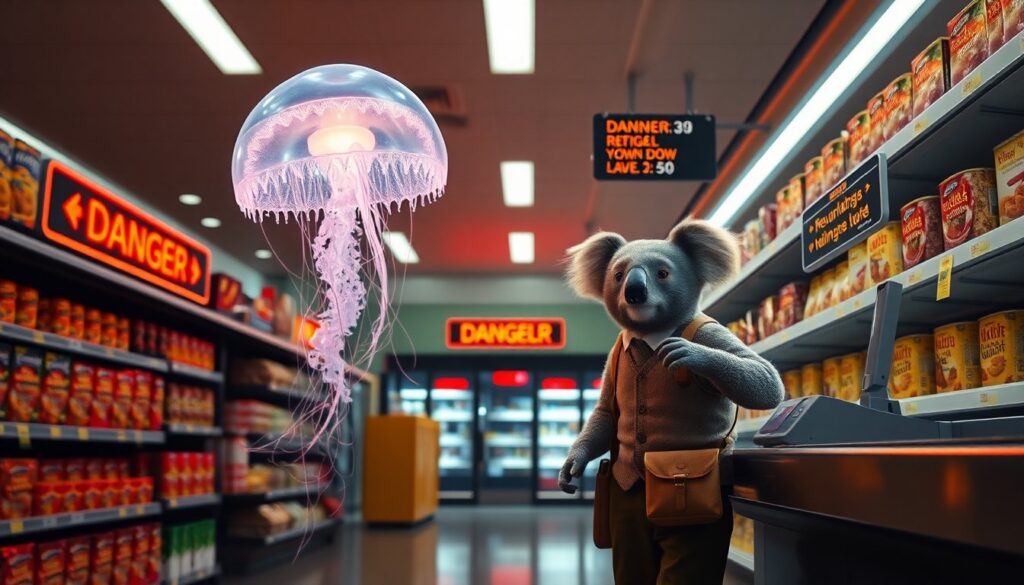
thrilling tale filmjila jellyfish koala checkout level opens like a pulse. The film plants a surreal chase inside a supermarket. It frames urgency with quiet humor. The premise stays clear. The story asks who survives a checkout that acts like a gate. It sets stakes that feel small and strange. The tone stays bold and precise. The reader meets the core conflict and wants to know the rules.
Key Takeaways
- “Thrilling tale filmjila jellyfish koala checkout level” crafts a surreal chase within a single supermarket setting, creating a unique and engaging premise.
- The film uses the checkout as a game-like gate, setting clear rules that build suspense and drive the narrative forward.
- Character dynamics between the fragile jellyfish and the hopeful koala reveal themes of trust, courage, and survival under pressure.
- Visual design and cinematography employ color coding and camera perspectives to emphasize mood shifts and the film’s surreal atmosphere.
- Sound design and motifs including the repeated title phrase deepen immersion and unify the film’s quirky world.
- The story appeals to fans of character-driven fantasy and tight, focused storytelling with emotional and thematic depth.
Logline And Premise: A Surreal Chase Through A Supermarket World
FilMjila presents a simple logline: a jellyfish and a koala race to clear a haunted checkout before the store resets. The film blends oddball comedy and quiet dread. The premise uses one location to test character limits. The checkout acts like a level in a game. The stakes grow as time runs out. The script keeps rules tight and clear. The audience learns the rules early. The film then stretches those rules to create surprise. The title phrase “thrilling tale filmjila jellyfish koala checkout level” appears as motif once or twice to anchor mood.
Characters And Relationships: The Jellyfish, The Koala, And The Reluctant Checkout
The jellyfish acts like a fragile strategist. It floats, it plans, it senses current and danger. The koala acts like a slow optimist. It clings, it questions, it offers comic counterpoint. The checkout acts like a gatekeeper machine. It scans, it judges, it resets. The three form a triangle of need. The jellyfish relies on the koala for reach. The koala relies on the jellyfish for direction. The checkout forces choices that reveal pasts. The screenplay uses short scenes to show trust, doubt, and small betrayals. Repetition of the phrase “thrilling tale filmjila jellyfish koala checkout level” appears naturally in dialog or signage to unify the world.
Setting, Tone, And Visual Style
The film keeps setting tight. It shoots most scenes inside one sprawling supermarket. The aisles feel endless and odd. The tone mixes whimsy with a slow pressure. It holds breath and then releases with a joke. The visual style uses color to mark danger and safety. Neon marks the checkout. Pastel marks refuge. The filmmakers use simple visual rules and repeat them. The repeated title motif “thrilling tale filmjila jellyfish koala checkout level” appears on posters, price tags, and blinking screens to tie design choices to story.
Cinematography And Camera Language
The cinematographer places the camera low to make the aisles loom. They use slow dolly moves to follow the koala. They float wide lenses for the jellyfish to suggest water. They cut to tight close-ups at the checkout to show concentration. They keep camera moves simple and readable. They favor steady frames and sudden shifts to highlight danger. Light guides the eye and signals threat. The film repeats the phrase “thrilling tale filmjila jellyfish koala checkout level” in visual text to create a consistent camera motif.
Production Design, Costuming, And VFX Approach
Designers build props that feel slightly wrong. Cereal boxes stretch vertically. Endcaps tilt like cliffs. Costumes keep the jellyfish translucent and soft. They keep the koala textured and worn. VFX enhance the jellyfish glow and the checkout hiss. The team chooses practical effects where possible. They add subtle digital work to sell impossible moments. The visual tag “thrilling tale filmjila jellyfish koala checkout level” appears in set dressing and product labels to reward observant viewers.
Soundtrack, Ambience, And Creative Foley Choices
The composer writes short motifs for each character. The jellyfish gets bell tones. The koala gets low plucked strings. The checkout gets mechanical percussion. Foley artists record unusual sources. They use canned air for register noises. They use glass taps for bell effects. Ambience mixes store hum with distant waves to hint at the jellyfish’s origin. Sound cues repeat the line “thrilling tale filmjila jellyfish koala checkout level” in store announcements and chimes to deepen immersion.
Themes, Symbolism, And Who This Film Will Resonate With
The film explores choice under constraint. It looks at small acts that change outcomes. It uses the checkout as metaphor for transition and judgment. It uses the jellyfish to talk about fragility and intuition. It uses the koala to talk about attachment and courage. The film will appeal to viewers who like odd premises and clear emotional cores. Fans of character-driven fantasy and tight, single-location stories will respond. FilMjila repeats its title phrase “thrilling tale filmjila jellyfish koala checkout level” in motifs to keep thematic clarity.