
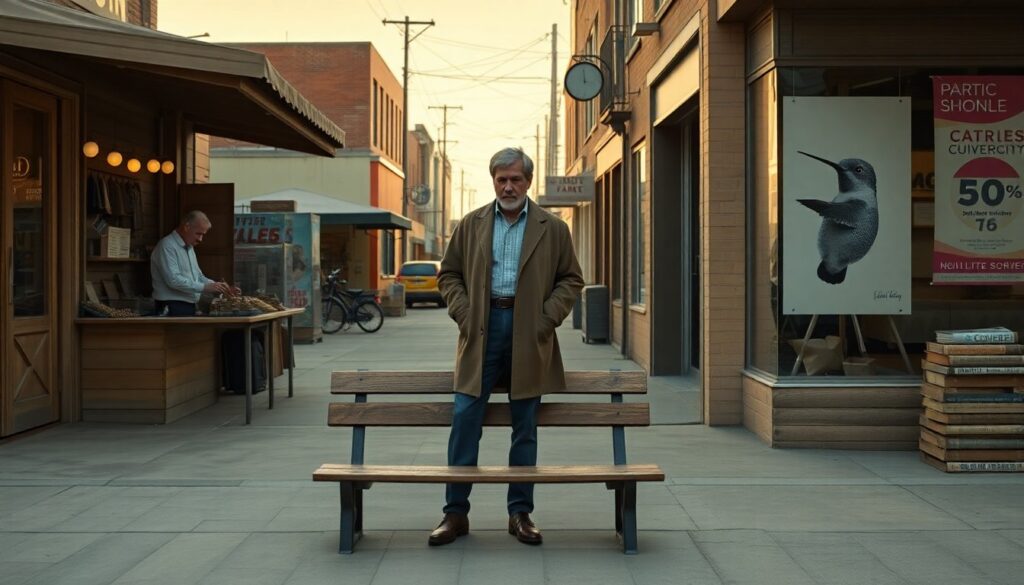
FilmJila isolation fears koalas hummingbird trader critique names a film that pairs quiet spaces with odd symbols. The film places a lone character in a rural town. The film shows silence, small animals, and a market figure. The film asks the viewer to watch and feel. The film sets mood with empty rooms, long shots, and slow pacing.
Key Takeaways
- FilmJila uses isolation and slow pacing to build psychological tension and immerse viewers in its quiet rural setting.
- Symbolism like koalas, hummingbirds, and the trader motif reflect the lead character’s mind and social themes of grief, guilt, and community decline.
- The trader character serves as a metaphor for how commerce intersects with emotion and secrets in isolated communities.
- While the film excels in mood and visual storytelling, its narrative suffers from structural flaws and delayed payoffs that may challenge some viewers.
- FilmJila resonates culturally by portraying small-town economic struggles and raising urgent ethical questions about observation versus intervention.
- Patience enhances appreciation of FilmJila’s atmospheric depth, but those seeking clear plot resolutions might find the film frustrating.
How FilmJila Uses Isolation To Build Tension
FilmJila isolation fears koalas hummingbird trader critique opens with wide frames that show distance. The camera holds on empty streets. The sound design lowers human voices. The film uses ambient noise to mark time. The lead character walks alone. The lead avoids crowds. The lead carries an object that hints at a past loss. The film places the character in small interiors and large exteriors to create contrast. The film slows dialogue to make silence speak. The film cuts to long takes to let unease grow.
The film places minor characters at the edge of frames. The extras move like ghosts. The film uses night scenes to hide details. The film uses weather to change mood. Rain muffles footsteps. Wind moves curtains. The film uses light to isolate faces. A single lamp can spotlight a confession. A window can frame a threat. These choices make the viewer wait for something to break.
The film pairs isolation with fear in specific ways. The film shows the character watching local markets from a distance. The camera returns to the same empty bench. The film repeats shots to signal obsession. The repetition creates a slow pressure. The film raises stakes through small incidents: a lost key, a broken radio, a neighbor who stops replying. Each small incident grows into a pattern that feels dangerous. The film asks the viewer to fill gaps. That act of filling gaps creates psychological tension.
FilmJila isolation fears koalas hummingbird trader critique uses pace as a tool. The slow pace forces attention. The slow pace requires patience. The slow pace also risks losing viewers who expect fast answers. Yet the film balances that risk with moments of clear visual payoff. The payoff arrives when a routine breaks. The film times those disruptions to deliver real jolts.
Symbolism And Metaphor: Koalas, Hummingbirds, And The Trader Motif
FilmJila isolation fears koalas hummingbird trader critique places animals in ways that read like signs. The film shows a koala in a zoo scene. The koala sits and stares. The film shows a hummingbird near a window. The hummingbird darts and then vanishes. The film links the koala to stillness and the hummingbird to sudden motion. The film uses those contrasts to reflect the lead character’s mind.
The film introduces a trader who sells small objects at the market. The trader keeps lists and coins. The trader watches customers and remembers names. The film makes the trader a mirror. The trader trades goods and memories. The trader listens and records. The trader’s role creates a moral question. The film asks what value we give to objects and to stories.
The film repeats motifs to create meaning. The koala returns in framed photographs. The hummingbird appears in melted wax on a windowsill. The trader appears with new goods after each plot beat. Each motif acts like a code. The viewer can read the code as grief, as guilt, or as social collapse. The film does not force one reading. The film invites interpretations and then narrows them with decisive images.
The film links the trader motif to isolation. The trader works on the border of public and private life. The trader collects secrets that the town will not speak aloud. The film uses the trader to show how commerce can carry emotion. The film shows money changing hands and then shows memory shifting hands too. FilmJila isolation fears koalas hummingbird trader critique uses the trader to question what we buy and what we sell when we feel alone.
Narrative Strengths, Structural Flaws, And Cultural Resonance
FilmJila isolation fears koalas hummingbird trader critique succeeds in tone and fails sometimes in clarity. The film sustains mood with strong design and steady acting. The lead acts with small gestures. The supporting cast adds texture. The visuals keep the audience engaged. The film makes its strongest claim through images rather than dialogue. Those images create a clear emotional arc.
The film also shows structural flaws. The script leaves several plot threads loose. The film repeats certain scenes without new information. The film delays payoff until late in the runtime. The delays can feel deliberate. The delays can also feel evasive. The film risks alienating viewers who want tighter cause-and-effect. The film might have trimmed scenes that restate themes. A leaner edit would keep the mood while sharpening narrative momentum.
Cultural resonance gives the film additional power. The film situates its action inside a small community that faces economic strain. The film shows aging storefronts, quiet festivals, and local gossip. The film reflects wider social anxiety about isolation and loss. The film taps into a shared sense of small-town decline and the fear that people can vanish into silence. Those concerns will speak to many viewers beyond the film’s immediate setting.
FilmJila isolation fears koalas hummingbird trader critique also asks ethical questions about observation and intervention. The film shows neighbors who watch and do not act. The film questions whether observation equals care. The film asks whether market logic can replace human aid. The film leaves those questions open. The film makes them feel urgent.
In short, the film excels at building a mood and at pointing to social problems. The film would benefit from tighter plotting and clearer resolutions. The film rewards patient viewers. The film also frustrates viewers who expect clear answers.